I. Core Objectives of the Solution
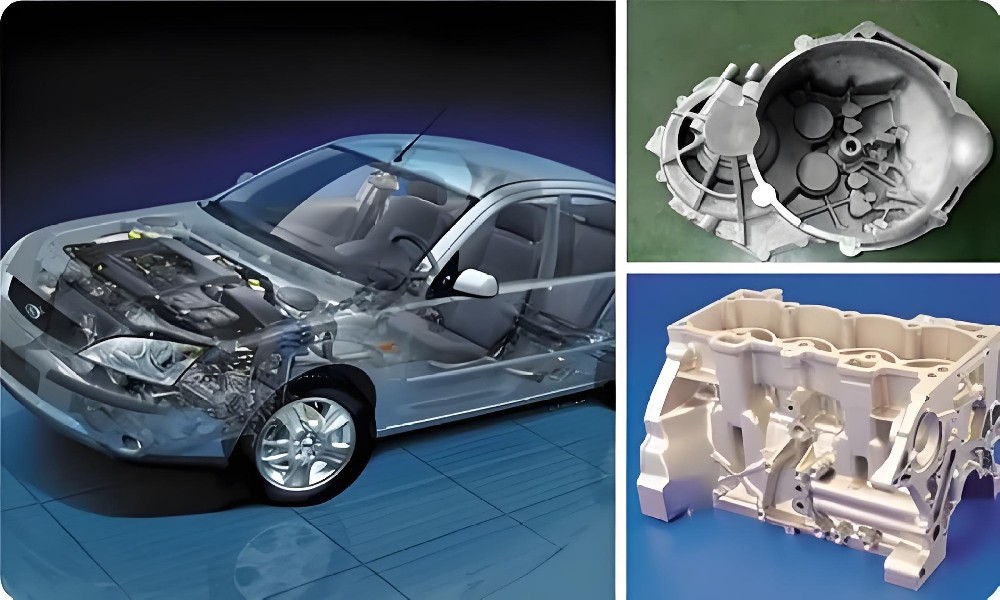
Qualified Cleanliness: Meet the cleanliness requirements of different parts by thoroughly removing oil stains, cutting fluid, metal debris, rust, carbon deposits and other contaminants on surfaces and in gaps. Comply with ISO 16232, VDA 19 and internal enterprise standards of automakers, and avoid assembly failures and reduced transmission accuracy caused by incomplete cleaning.
Efficient Adaptation: Match dedicated cleaning processes and equipment according to production batch scale (hundreds to tens of thousands of pieces per day) and structural complexity (blind holes, gear gaps, thin-walled parts). Balance cleaning efficiency and workpiece protection to prevent scratches, deformation and other damages.
Environmental Compliance: Strictly follow GB/T28677-2012 and local VOCs control regulations. Prioritize water-based eco-friendly cleaning agents and energy-saving equipment to achieve up-to-standard treatment of waste liquid and exhaust gas, eliminating risks of environmental violations.
Cost Reduction & Efficiency Improvement: Reduce consumption of supplies, energy and labor costs, lower rework rate and improve overall production and operation efficiency through recycling of cleaning fluid, intelligent equipment operation & maintenance and process optimization.
II. Preparatory Work: Parts Inspection & Classification
1. Core Inspection Items
Contaminant Inspection: Identify the type (cutting fluid, rust preventive oil, carbon deposits, metal debris, etc.) and content of contaminants, evaluate the pollution degree, and provide basis for cleaning agent selection and process parameter setting.
Workpiece Characteristic Inspection: Confirm part materials (metal, plastic, aluminum alloy, carbon fiber, etc.), structural complexity (blind holes, gear gaps, cavities, thin-walled parts), dimensional accuracy and surface condition, check surface defects and prevent further damage during cleaning.
Cleanliness Requirement Confirmation: Classify parts into core precision parts, ordinary structural parts and appearance parts, and set corresponding standards for particle size, quantity and residual chemical substances. For example, the particle size of core engine parts shall be controlled within 5 microns.
2. Scientific Classification Principles
Core Precision Parts: Engine cylinder blocks, cylinder heads, transmission gears, new energy vehicle battery housings, relay contacts, etc. Featuring complex structure and high cleanliness requirements, they require precision cleaning processes.
Ordinary Structural Parts: Chassis hardware, automotive fasteners, engine outer casings, etc. With simple structure and mild pollution, they are applicable to conventional high-efficiency cleaning processes.
Vulnerable & Sensitive Parts: Thin-walled aluminum battery housings, carbon fiber components, 3D printed parts, etc. Adopt low-damage targeted cleaning processes to avoid deformation or surface damage.
Remanufactured Parts: Used engine and transmission parts with heavy pollution, possible rust and carbon deposits. Pretreatment is required prior to formal core cleaning.