Stubborn Contaminants on Die-Cast Housings
Residual die-casting release agent, drawing oil and cutting oil
Aluminum scraps, dust and burrs hidden in inner cavities, screw holes and blind holes
Surface oxide dirt and black stains
Easy to get water marks, white spots and corrosion after cleaning
2. Most Reliable Cleaning Solutions (Ranked by Cleaning Effect)
Solution 1: Vacuum hydrocarbon / modified alcohol ultrasonic cleaning (Top Recommended)
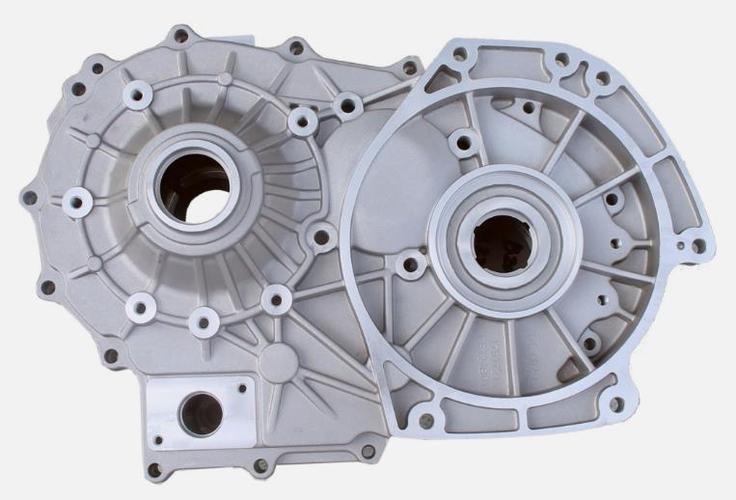
Thoroughly clean blind holes, deep holes and inner cavities; flush out hidden aluminum scraps and dust
Fully sealed vacuum drying, completely dry directly after cleaning, no water marks or surface fading
No corrosion, whitening or discoloration on aluminum alloy
Solvent recyclable by distillation, low consumable cost
Solution 2: High-pressure spray cleaning (Mass production for standard die-cast housings)
Aluminum scraps easily remain in screw holes and blind holes
Water cleaning with poor drying easily causes water marks and white mildew
Passivation treatment is required for anti-oxidation
Solution 3: Water-based ultrasonic cleaning (Low cost with limitations)
Hard to completely remove scraps from deep holes
Inadequate drying inevitably causes water marks and mildew
Aluminum parts prone to corrosion, darkening and surface graying
3. 5 Key Points for Perfect Cleaning
- Use special cleaning agent for die-cast aluminumStrong alkali will corrode aluminum and cause powdery white surface; choose neutral / weak alkaline special aluminum degreaser.
- Combine ultrasonic + high-pressure sprayUltrasound loosens oil and scraps; high-pressure spray flushes out debris. Single process cannot achieve perfect cleaning.
- Targeted spray & turnover for screw/blind holesDo not place workpieces flat; use customized tooling to align holes toward spray nozzles.
- Ensure thorough dryingResidual moisture causes damp mildew easily. Vacuum drying is preferred, followed by hot air circulating drying.
- Anti-oxidation passivation after cleaningBare die-cast aluminum is easy to oxidize and darken after cleaning; add sealing passivation to prevent discoloration and fingerprint marks.
4. Equipment Selection Advice
High standard (no water marks, clean inner cavity, no whitening) → Bark multi-station vacuum hydrocarbon cleaning machine
Mass ordinary parts & cost-sensitive → High-pressure tunnel spray cleaning line
Small batch workshop use → Single/tank ultrasonic cleaner + drying oven